Vegan Leather vs Genuine Leather: An Honest Comparison
The term "vegan leather" has become a powerful marketing phrase. It sounds ethical, modern, and sustainable. But what is it, really? And how does it compare to genuine leather — the material humans have relied on for thousands of years? Here is an honest breakdown of both, so you can make an informed decision about what you carry.
What Is Vegan Leather?
Vegan leather is any material designed to look and feel like animal leather without using animal hides. The most common types are polyurethane (PU) and polyvinyl chloride (PVC) — both petroleum-based plastics. Newer alternatives include materials derived from mushroom mycelium, pineapple leaves, apple waste, and cactus, though these remain niche and often still require plastic binders or coatings.
The appeal is straightforward: no animals involved. For consumers who prioritize avoiding animal products above all else, vegan leather serves that purpose. But the story does not end there.
What Is Genuine Leather — Really?
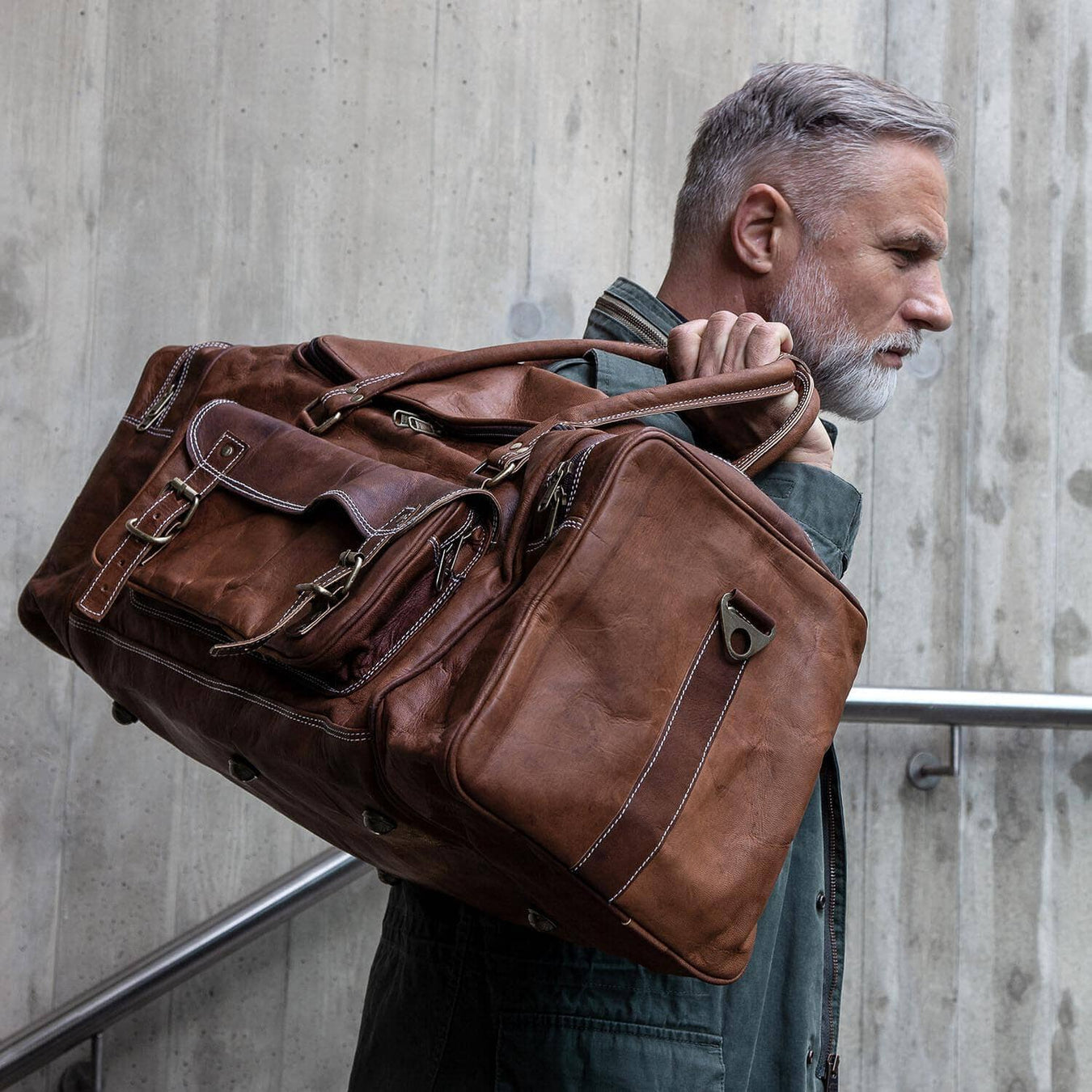
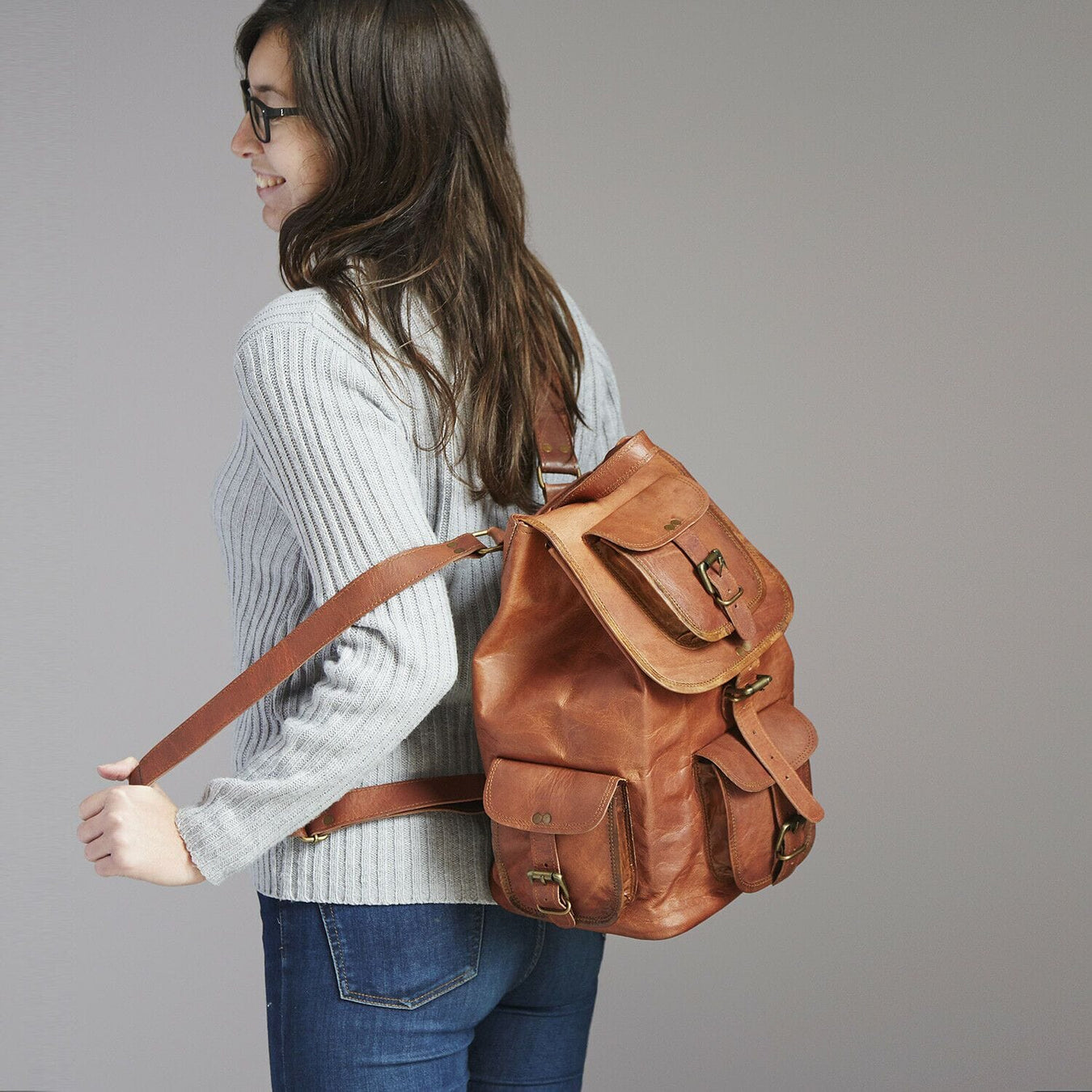
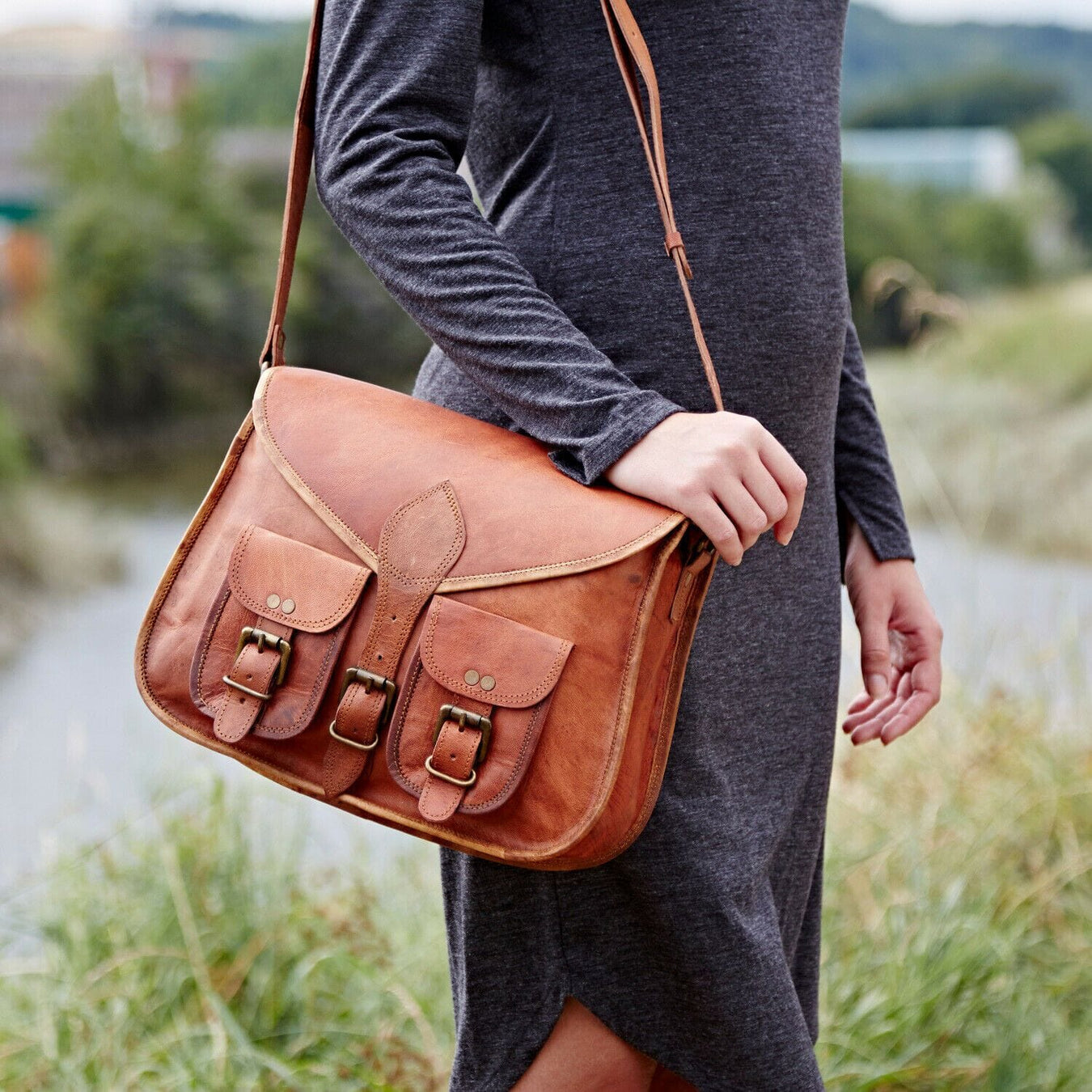
First, a clarification. In the leather industry, "genuine leather" is actually a grade — and not a high one. It sits below full-grain and top-grain in quality. When we talk about quality leather here, we mean full-grain leather: the outermost layer of the hide, untouched and unprocessed beyond tanning. Full-grain buffalo and goat leather — the kind used by Asgard Accessories — is the strongest, most durable, and most beautiful grade available.
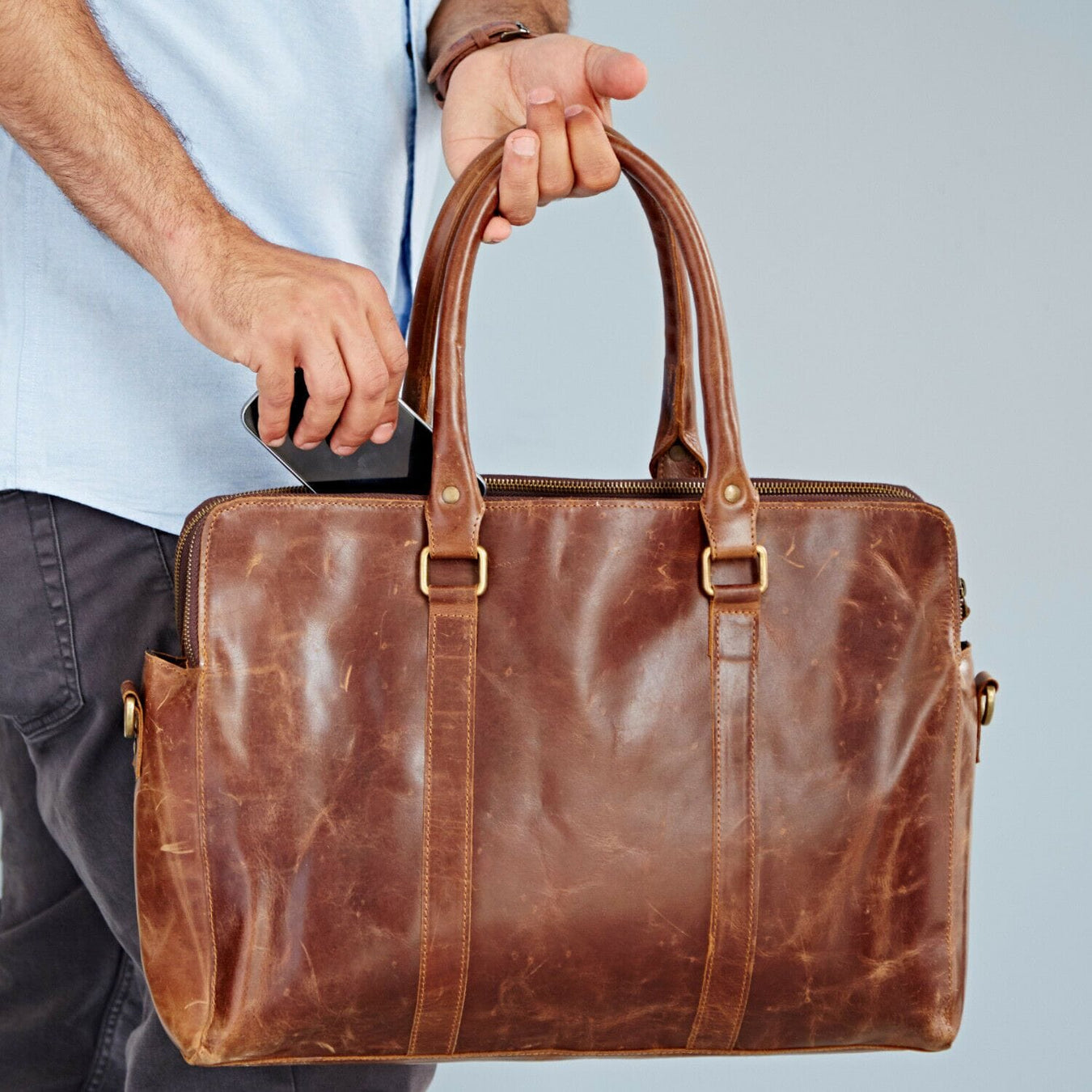
Full-grain leather is a natural material. It breathes, it flexes, and it ages. Over time, it develops a rich patina — a warm, lived-in finish that is unique to each piece.
Durability: The Decisive Factor
This is where the comparison becomes clear. Most vegan leathers — particularly PU and PVC — begin to crack, peel, and deteriorate within one to three years of regular use. The surface coating breaks down with exposure to sunlight, moisture, and friction. Once it starts peeling, there is no repair.
Full-grain leather, by contrast, lasts decades. A well-made leather bag from quality hide will outlast five or six synthetic alternatives. It can be conditioned, repaired, and restored. The leather itself grows more supple and characterful with age.
The Environmental Question
This is the area where marketing often misleads. Vegan leather sounds more environmentally friendly, but most of it is made from plastic. PU and PVC production involves petroleum extraction and chemical processing. These materials do not biodegrade — they break down into microplastics that persist in soil and waterways for centuries.
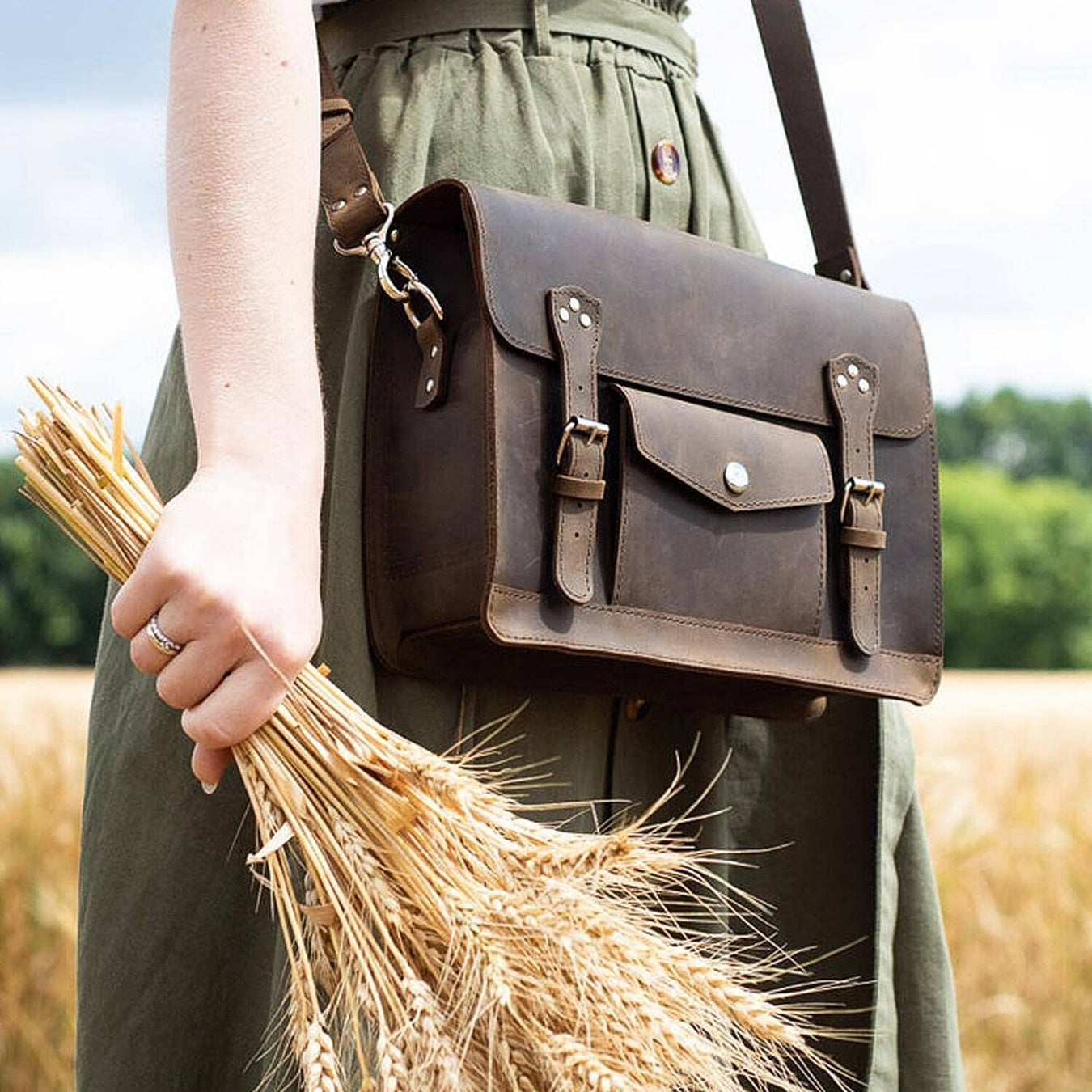
Leather has its own environmental footprint, certainly. But responsibly sourced leather — particularly vegetable-tanned leather from ethical tanneries — tells a different story. The hides are byproducts of the food industry. Vegetable tanning uses natural tannins rather than harsh chemicals. And because the product lasts so much longer, its environmental cost per year of use is dramatically lower.
Cost Per Use
A vegan leather bag might cost thirty to sixty dollars. A full-grain leather bag might cost one hundred to two hundred dollars. But if the synthetic bag lasts two years and the leather bag lasts fifteen, the leather bag costs less per year. Factor in the waste generated by replacing synthetic bags multiple times, and the economic and environmental math favors genuine leather decisively.
The Feel and Experience
There is something about holding real leather that no synthetic has replicated. The weight, the texture, the warmth, the subtle scent of tanned hide. Leather responds to your body and your use — it molds to your habits, softens at the stress points, and develops character that tells the story of how you live..
Our Perspective
At Asgard Accessories, we use full-grain buffalo and goat leather, vegetable-tanned in Rajasthan, India. We believe the best choice for the environment and for your wallet is a product that lasts — one you do not need to replace every couple of years, one that ages alongside you rather than against you.
We respect that people make different choices for different reasons. But we believe those choices should be informed. If sustainability, longevity, and craftsmanship matter to you, genuine full-grain leather remains the better long-term investment.