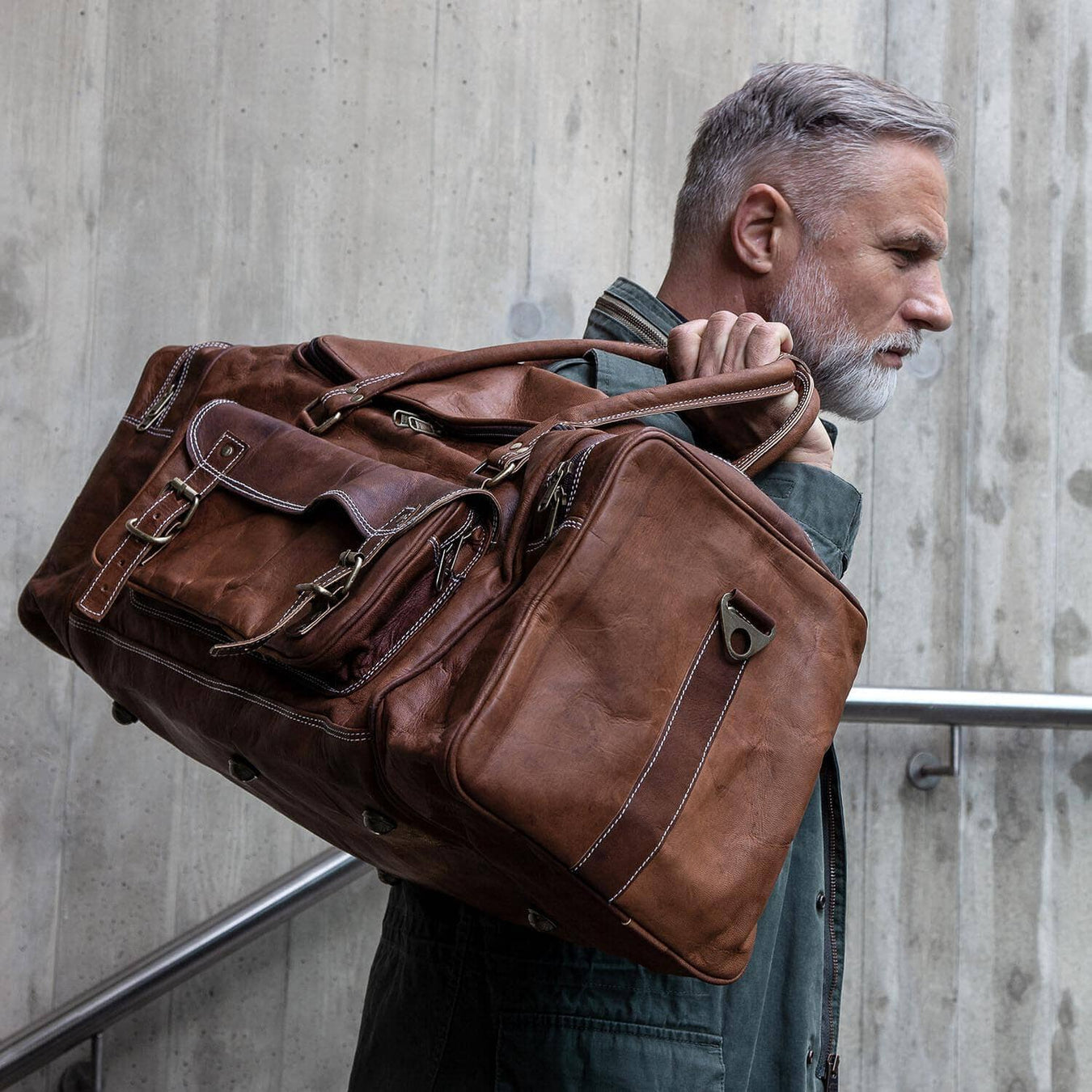
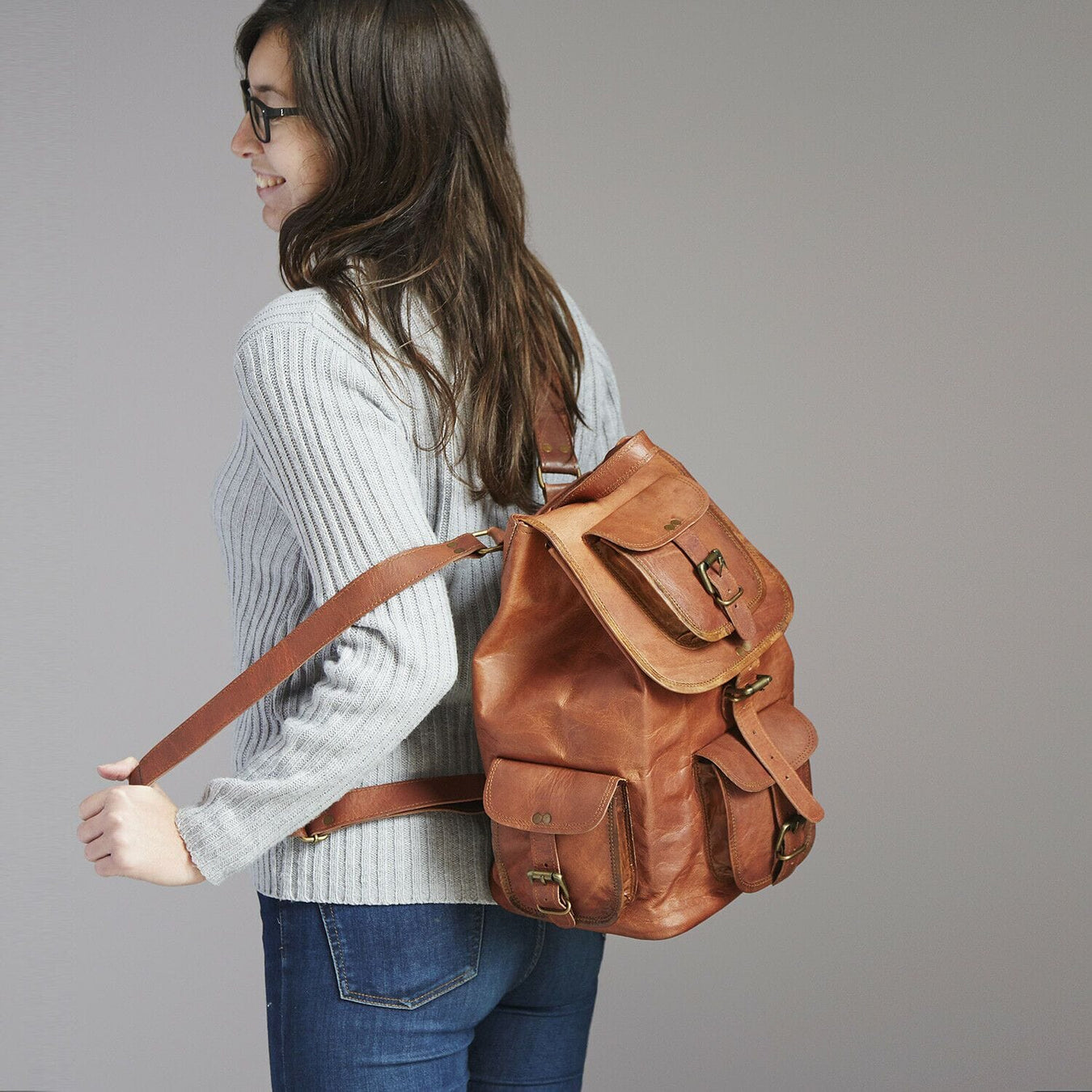
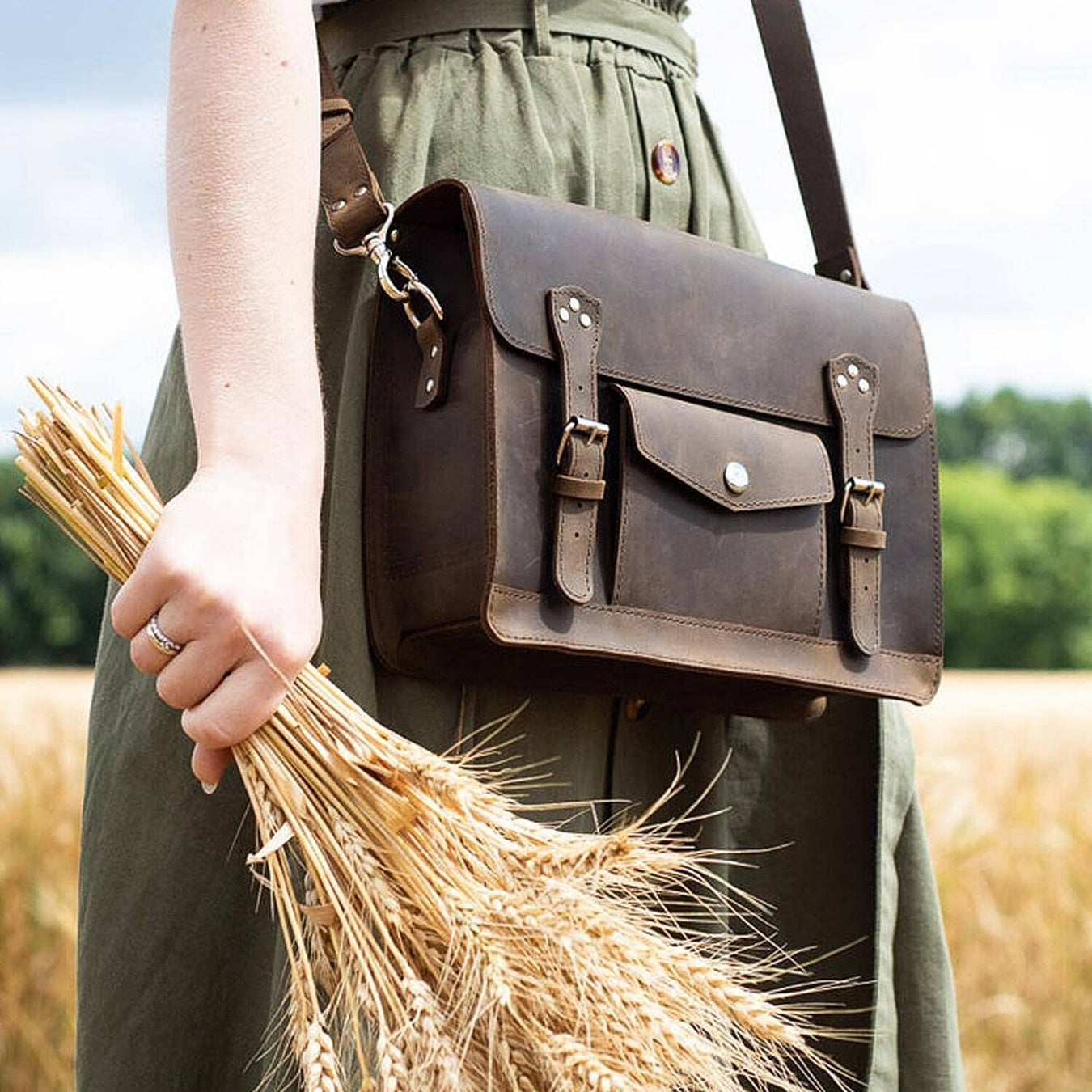
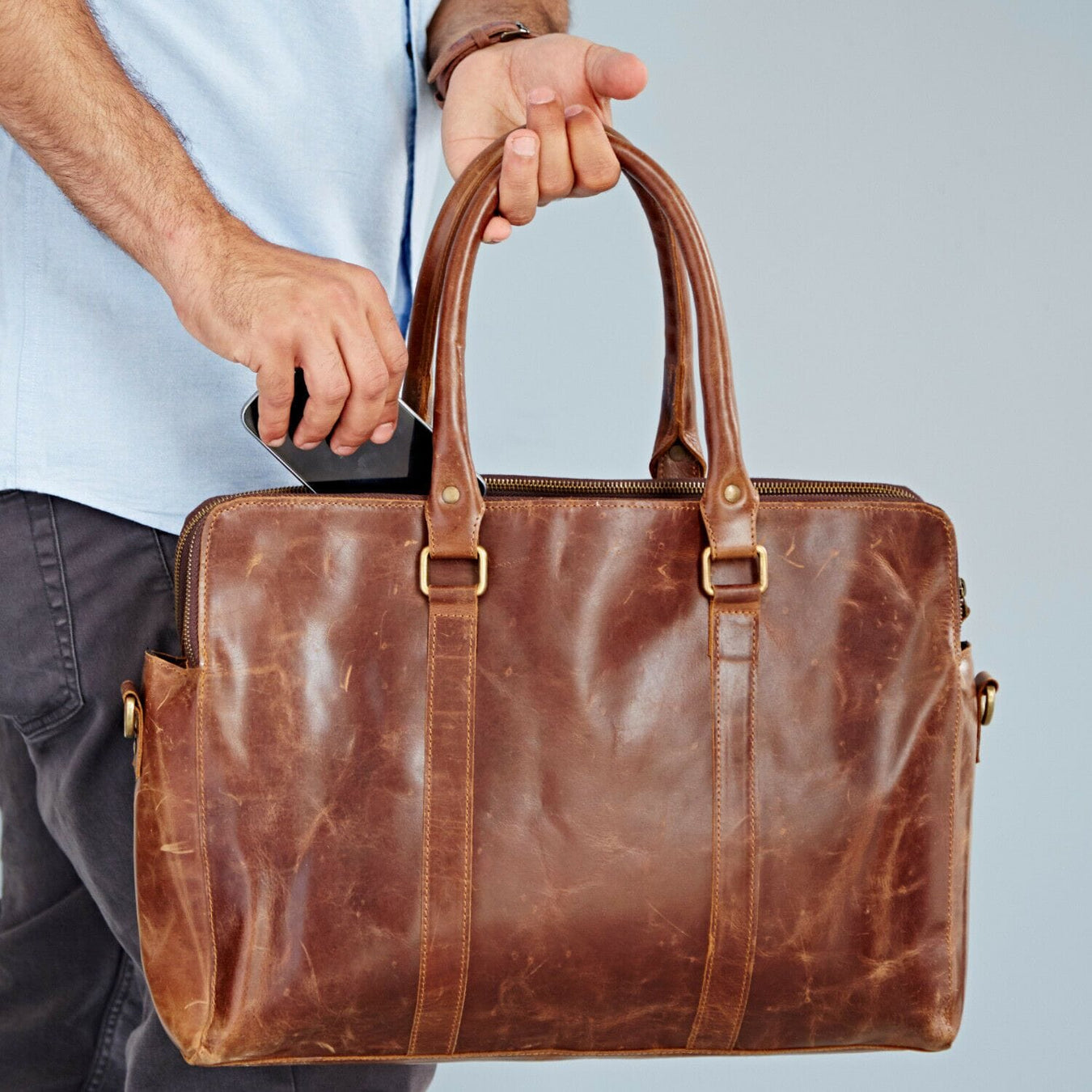
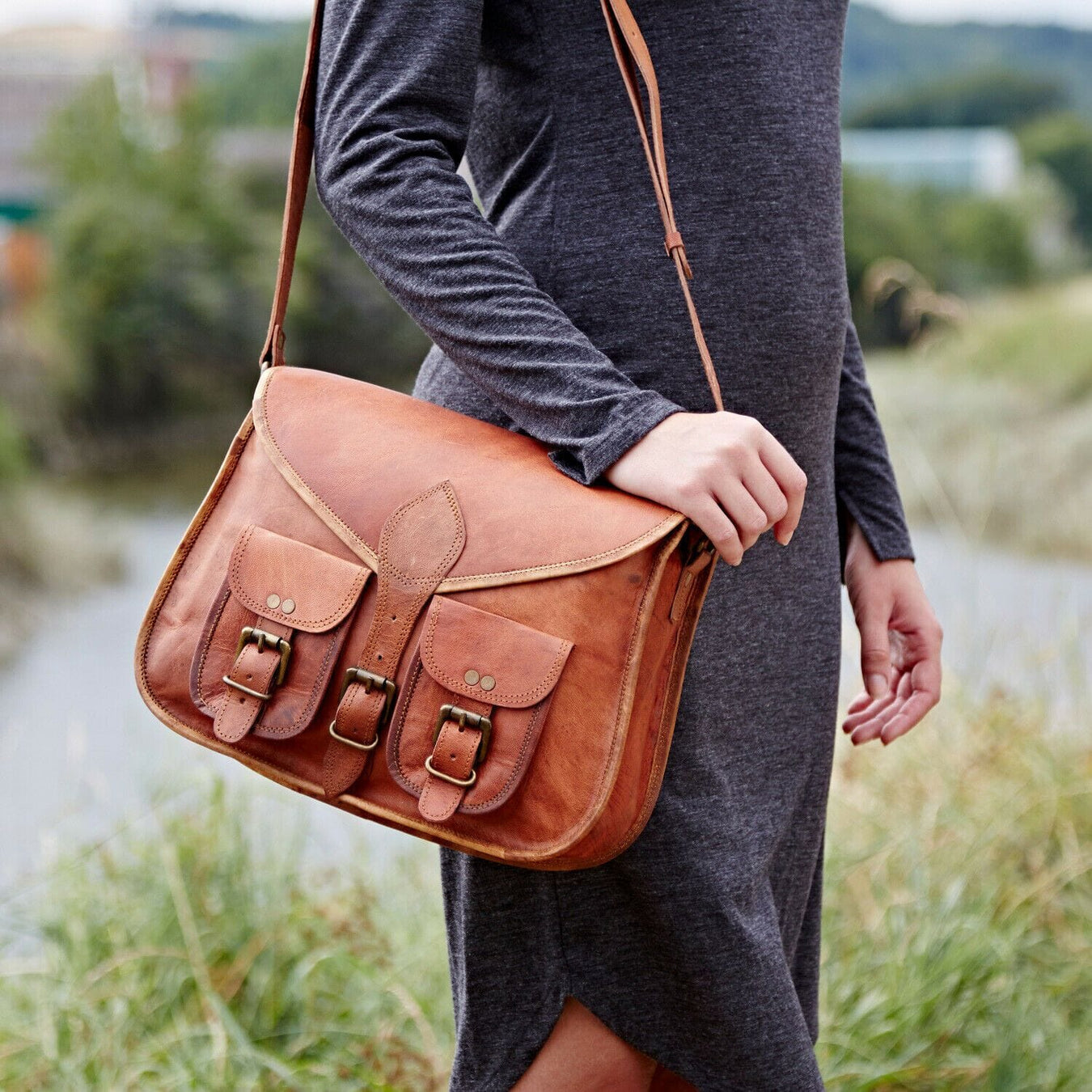
A leather wallet is a useful daily accessory but also a style statement. It can last for years if cared for properly. Its luster loses due to everyday wear and tear. Leather, being a porous material, can easily absorb moisture, oils, and dust. This is why regular cleaning is essential to retain its appearance, durability, and functionality for years. The process usually involves removing stains, dirt, and grime that have accumulated on surfaces over time. The sections below guide you on the reasons to clean a leather wallet and then discuss the tips to follow.
Why Cleaning and Maintenance Matters?
Cleaning your leather wallet once every few weeks can help keep it in good condition. This way, it will appear elegant for ages, and its functionality will stay intact. Ignoring the cleaning can lead to cracks, fading, or discoloration. These effects will diminish the leather's longevity and appearance.
External heat, wetness, sweat from hands, dirt, etc., can easily deposit on the leather surface. If not removed, they will gradually integrate into the surface and weaken the material. Regularly and gently washing your wallet with detergents (for example, a mild vinegar-and-water solution or soap) will help ensure these substances don’t embed in the leather.
Tips to Follow
Carefully empty all the compartments and pockets; make sure nothing is left.
Remove grim and dirt from the surface; you can do this by dampening a lint-free cloth in lukewarm water.
Gently wipe off the whole surface of the wallet. Carefully remove dirt, stains, and mess buildup from all corners. Tiny, circular motions are recommended.
To ensure thorough cleaning, using saddle soap or specialized leather cleaner is recommended.
Remove any residual soap once you have cleaned the wallet with a soap solution.
Apply only a small amount of conditioner to the cloth. Make sure to gently massage it throughout the surface.
Once cleaned, keep the wallet in mild sunlight for a few minutes to let it dry naturally.
Regularly dust the wallet by rubbing it with dry and soft fabric to avoid dust accumulation on the surface.
Avoid stuffing the wallet; otherwise, it can stretch the leather material and distort the shape. Placing only the required essentials will maintain the wallet in proper shape, and thus, the dirt accumulation will be under control.
Remember to apply a leather conditioner once every few months to retain the suppleness of the leather and prevent it from drying out.
When not in use, store in a dry and cool place, far from a heat source or direct sunlight. To keep it safe from moisture and dust, wrap it in a cloth or put it in a dust bag. You can also cover it with a piece of cotton cloth.
Your hands usually have dirt and oils that can easily sediment on the leather surface. So, always handle your wallet with clean hands to avoid staining.
When cleaning, focus on cleaning the plastic cards too. These cards can accumulate dirt easily and will transfer to the clean surfaces, too. Take a mild solution (prepared using gentle soap and water) and use it to wipe off the plastic cards.
Things Required for Cleaning a Leather Wallet
Keeping the following things ready will help you clean your leather wallet effectively.
A soft, lint-free cloth (microfiber cloth is recommended)
Use a cleaner product specifically designed for cleaning leather.
Before applying any conditioner or cleaner, first test it on a small part of any surface.
Place your wallet in a ventilated area to avoid damage due to mildew and mold.
Take a dry cloth and blot the spills so that the stains don’t settle.
Place silica gel packets in your wallet to absorb the excess moisture.
Don’ts
Never apply harsh chemicals like ammonia, bleach, or alcohol-based cleaners.
Don’t immerse your wallet in water because leather is not waterproof. The excessive moisture can damage it.
Don’t dry your wallet using a heater or direct sunlight.
Ignoring a regular care routine can result in permanent damage.
Keep sharp objects away from your wallet; otherwise, it will develop scratches.
Final Words
The prolonged exposure to oils, dirt, daily wear, and other damaging elements can damage the pristine look of a leather wallet. Neglecting the cleaning process can lead to stains, cracks, or loss of the smooth texture. So, following the tips discussed above and applying the right products can keep your leather wallet in good condition. A well-maintained leather wallet represents your style and your attention to detail.
FAQs
1. Is it advisable to clean a leather wallet using a washing machine?
No, it is not advisable to use a washing machine to clean a leather wallet. The reason is that leather is a durable yet delicate material that can easily get damaged due to detergents and harsh cleaning cycles in a washing machine. As an alternative, it is best idea to clean it by hand.
2. Is there any safe way to clean a leather wallet?
Yes, you can use a damp microfiber cloth along with leather cleaner or a small amount of mild soap. Remember to gently wipe off the surface; don’t scrub or soak in water. Once cleaned, let it air dry naturally and then apply a leather conditioner to avoid cracking and restore moisture. Refrain from using alcohol-based products or harsh chemicals.
3. How to clean a stained leather wallet?
Make sure to act quickly. If there are ink or oil stains, you need to blot them gently using a dry cloth; don’t rub. You can apply a leather-safe stain remover or get in touch with a professional cleaner for tough stains. Remember to always test any product on a tiny hidden area first so as to prevent discoloration.


 A leather wallet is a useful daily accessory but also a style statement. It can last for years if cared for properly. Its luster loses due to everyday wear and tear. Leather, being a porous material, can easily absorb moisture, oils, and dust. This is why regular cleaning is essential to retain its appearance, durability, and functionality for years. The process usually involves removing stains, dirt, and grime that have accumulated on surfaces over time. The sections below guide you on the reasons to clean a leather wallet and then discuss the tips to follow.


 Do’s
Do’s